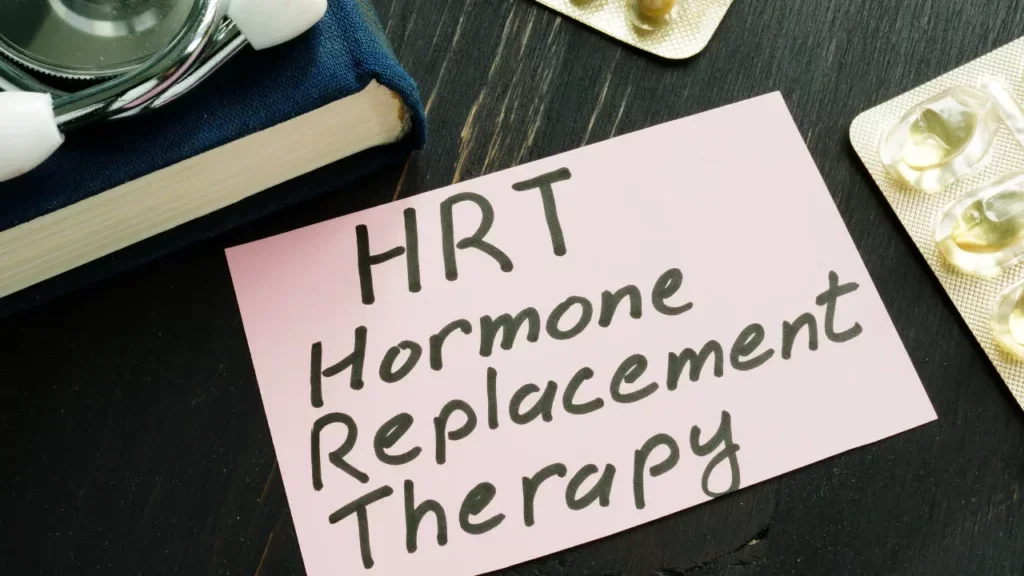
🌿 From Fear to Freedom: How the FDA’s Shift on HRT Rewrites the Mental Health Narrative for Midlife Women
For over two decades, hormone replacement therapy (HRT) carried a black box warning—a bold, ominous label that signaled danger. It was based on early data from the Women’s Health Initiative (WHI), which linked HRT to increased risks of breast cancer, stroke, and heart disease. But the science has evolved, and so has the story.
In 2025, the FDA officially removed the black box warning from most HRT products. This isn’t just a regulatory update—it’s a cultural and clinical turning point. For women navigating menopause, it’s a long-overdue invitation to reconsider HRT not as a last resort, but as a proactive tool for whole-person health.
🧠 Hormones and Mental Health: The Missing Link
Estrogen isn’t just about hot flashes and bone density. It’s a neurosteroid—a brain-active hormone that influences:
Serotonin and dopamine regulation (mood, motivation, pleasure)
Neuroplasticity and memory
Sleep architecture and circadian rhythm
Stress resilience and emotional regulation
When estrogen levels drop during perimenopause and menopause, many women experience a surge in anxiety, depression, irritability, and brain fog. These aren’t just “aging” symptoms—they’re biochemical shifts. And for some, they mimic or exacerbate pre-existing psychiatric conditions.
HRT, especially when started within 10 years of menopause onset, has been shown to:
Reduce depressive symptoms, particularly in perimenopausal women with prior mood instability
Improve sleep quality, which in turn stabilizes mood and cognition
Protect against cognitive decline, especially when estrogen is delivered transdermally
Support emotional regulation, reducing reactivity and enhancing resilience
🔄 Reframing Risk: What the FDA’s Move Means
The FDA’s decision reflects decades of reanalysis and advocacy. It acknowledges that:
The original WHI study overrepresented older women (60s and 70s), not the typical HRT candidate
Timing matters: starting HRT earlier yields better outcomes
Modern formulations (bioidentical, transdermal, lower-dose) carry fewer risks
The benefits—especially for mental health—have been underrecognized
Removing the black box doesn’t mean HRT is risk-free. It means the conversation can finally be nuanced, individualized, and empowering.
💬 What This Means for You
If you’re a woman in your 40s or 50s experiencing mood swings, anxiety, sleep disruption, or cognitive fog—especially if these symptoms emerged with cycle changes—HRT might be worth revisiting.
This isn’t about chasing youth. It’s about restoring balance, protecting brain health, and reclaiming vitality.
Restoring emotional balance
Protecting brain health
Preserving bone density
Reducing cardiovascular risk
Potentially lowering Alzheimer’s risk
Improving sleep and quality of life
As clinicians, we now have the freedom to discuss HRT without fear-mongering. And as women, we have the right to informed, compassionate care that honors both our biology and our story.