🌿 Folate, Folic Acid & Neurodevelopment: A Curious Look at an Interesting Pattern
There’s a pattern here that’s worth paying attention to—one that makes sense biochemically and historically—but it’s not a verdict or a claim of causation. It’s simply an interesting intersection of timelines, genetics, and physiology that helps us ask better questions.
1️⃣ A Tale of Two Timelines: Enrichment vs. Folic Acid Fortification
If we zoom out and look at the history of our food system, something intriguing emerges.
Enrichment began back in the 1940s:
Flour was enriched with:
thiamine
riboflavin
niacin
iron
This was meant to replace nutrients lost during milling. And for decades, that was the whole story.
Then, in 1998, something new happened:
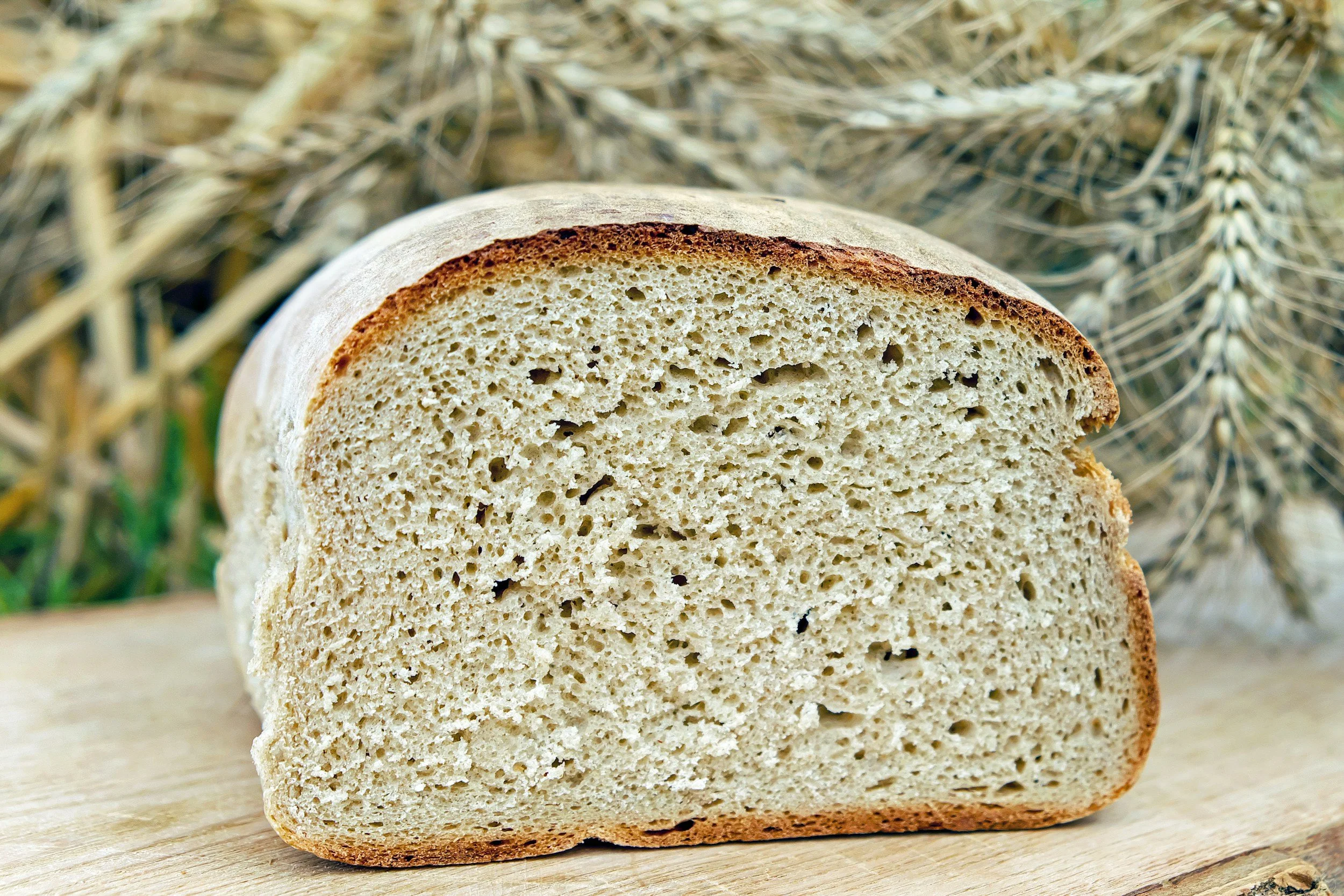
The U.S. began adding synthetic folic acid to nearly all enriched grain products—bread, pasta, cereal, rice. This was a major shift in population‑wide exposure to a nutrient that doesn’t exist in nature and requires a very specific enzyme (DHFR) to activate.
Around this same time—late 1990s into the 2000s—we also see the steepest documented rise in ASD and ADHD diagnoses.
Not causation.
Not proof.
Just… interesting timing.
It invites curiosity about how a modern food environment might interact with human genetics.
2️⃣ Genetics: Why Synthetic Folic Acid Isn’t Neutral for Everyone
Here’s where the story gets even more intriguing.
Several common genetic variants influence how we process folic acid:
🔹 DHFR (dihydrofolate reductase)
This enzyme activates synthetic folic acid, and humans naturally have very slow DHFR activity.
A well‑studied variant—the 19‑bp deletion—is found in a large portion of the population.
When DHFR is slow or easily saturated, synthetic folic acid can build up as unmetabolized folic acid (UMFA).
UMFA may:
compete with natural folate
interfere with folate receptors
alter methylation dynamics
Again, not pathology—just physiology interacting with a modern exposure.
🔹 MTHFR (C677T, A1298C)
These variants affect the conversion of folate into methylfolate, the form used in neurotransmitter synthesis and methylation.
When folic acid intake is high and MTHFR activity is reduced, the system can feel “stuck,” sluggish, or unpredictable.
🔹 Folate receptor autoantibodies (FRAA)
Not a SNP, but relevant.
Some individuals develop antibodies that interfere with folate transport into the brain.
In that context, high folic‑acid exposure may add another layer of complexity.
Put together, these variants don’t “cause” ASD or ADHD.
But they do shape how a person responds to a folic‑acid‑heavy food environment.
3️⃣ So What Do We Do With This?
This is where the curiosity becomes practical.
A whole‑foods, grain‑free, protein‑forward way of eating naturally reduces exposure to synthetic folic acid because it removes the biggest sources:
enriched flour
enriched grains
fortified cereals
bars and shakes with folic acid
At the same time, it increases natural folate from foods like:
leafy greens
eggs
legumes
liver
vegetables
Natural folate:
does not require DHFR
does not create UMFA
supports methylation more cleanly
aligns with how humans have eaten for most of history
And when you pair that with stable blood sugar, adequate protein, and nutrient‑dense foods, you support the entire redox and methylation environment—NADPH balance, B‑vitamin sufficiency, antioxidant capacity, and nervous‑system regulation.
It’s about noticing how our biology interacts with our food environment—and choosing a pattern that works with our physiology instead of against it.